Florida voters approved Amendment 3 on November 3, 2026, and for anyone planning to make Palm Beach their permanent home, the calendar now matters more than usual. Beginning in 2027, the amendment substantially increases Florida's homestead exemption. Buyers who are already Florida residents on December 31, 2026 can reach the full benefit years sooner than those who arrive later.
Here is what changed, who benefits, and what anyone relocating to Palm Beach or elsewhere in Palm Beach County should keep in mind over the next seven weeks.
What Amendment 3 Changes
According to the official ballot summary and a November 5 bulletin from the Florida Department of Revenue:
- 2027: The homestead exemption for all non-school property taxes rises to up to $150,000 of assessed value.
- 2028: That exemption rises to up to $250,000, with annual inflation adjustments beginning in 2029.
- School taxes: The first $25,000 of a homestead's assessed value remains exempt from school taxes. The larger exemption does not apply to school district levies.
- Second homes, rentals, and commercial property: For non-school levies, the annual cap on assessment increases for non-homestead property drops from 10% to 5%.
An exemption reduces a home's taxable value. It does not reduce the tax bill dollar for dollar, so actual savings depend on local tax rates. The Palm Beach County Property Appraiser also notes that Amendment 3 does not eliminate property taxes. School taxes and non-ad valorem assessments still apply.
The amendment takes effect January 1, 2027. It does not change 2026 tax bills. The Property Appraiser says the new amounts will first appear on August 2027 TRIM notices and November 2027 tax bills.
The amendment draws a line at the end of this year. Under the amendment text, a homeowner who had not maintained a permanent residence in Florida as of December 31, 2026 first receives the existing exemption: $25,000 for school taxes and up to $50,000 for non-school taxes. The larger exemption begins with that owner's fifth year of homestead exemption.
For example, a buyer who moves to Florida in 2027 and first qualifies for homestead for the 2028 tax year would generally reach the larger exemption in 2032.
Under the amendment text, the five years are counted in years of homestead exemption, not simply years of living in Florida. For someone who becomes a Florida resident after December 31, 2026, time spent renting before buying would not appear to count toward that period.
Two more details are worth knowing. Beginning in 2030, a county or city may vote, by a two-thirds majority, to shorten the five-year requirement for a critical local need. And the ballot language applies the residency rule "to the extent permitted by the U.S. Constitution," so the Property Appraiser cautions that future legislation or court decisions could affect it.
If you already have a Florida homestead exemption. According to the Palm Beach County Property Appraiser, eligible homeowners do not need to reapply or call the office. The increased exemption will be applied automatically beginning with the 2027 tax year.
If you already live in Florida but rent. Your Florida residency date, not your purchase date, is what the amendment looks at. The Property Appraiser says a person who was a Florida resident by December 31, 2026 and buys a first home in 2027 may qualify for the increased exemption. That buyer still has to apply for homestead on the new property and meet the usual requirements.
If you are moving from out of state. The cutoff turns on establishing permanent Florida residency by December 31, 2026, not necessarily on closing on a home by then. To claim a homestead exemption for the 2027 tax year itself, you generally must own the home and make it your permanent residence as of January 1, 2027, then apply by March 1, 2027.
What Establishes Florida Residency
Under Section 196.015, Florida Statutes, the property appraiser decides whether someone intends to make Florida a permanent residence. No single factor is conclusive. Factors the law lists include:
- A formal declaration of domicile recorded in the county
- A Florida driver license, with out-of-state licenses relinquished
- Florida voter registration at the home's address
- A Florida license tag on your vehicle
- The address on your federal income tax returns
- Your place of employment and where your dependent children attend school
- Proof that a prior residency in another state or country has ended
Documents help, but they support the facts rather than replace them. What matters is that Florida has genuinely become your home. The Property Appraiser notes that the Legislature may issue more guidance on how residency as of December 31, 2026 must be documented.
- December 31, 2026: The residency cutoff under Amendment 3.
- January 1, 2027: Amendment 3 takes effect. Ownership and permanent residence on this date determine eligibility for a 2027 homestead exemption.
- March 1, 2027: The deadline to file a homestead application with the Palm Beach County Property Appraiser. Under Florida law, missing it waives the exemption for that year.
- August 2027: TRIM notices show the new exemption amounts.
- November 2027: Tax bills reflect the changes.
What It Means for Second Homes and Investment Properties
For owners who keep a primary residence elsewhere and spend part of the year in Palm Beach, the change to the assessment cap is the headline. Starting in 2027, the assessed value of qualifying non-homestead property generally cannot rise more than 5% a year for non-school taxes, down from 10%.
The cap limits how fast assessed value can grow. According to the Property Appraiser, it does not cap tax rates or guarantee that a tax bill rises by no more than 5%. Under the amendment text, a change of ownership generally resets a property to market value on the next assessment date. A buyer therefore starts from a fresh market-value assessment, and the 5% cap applies from there.
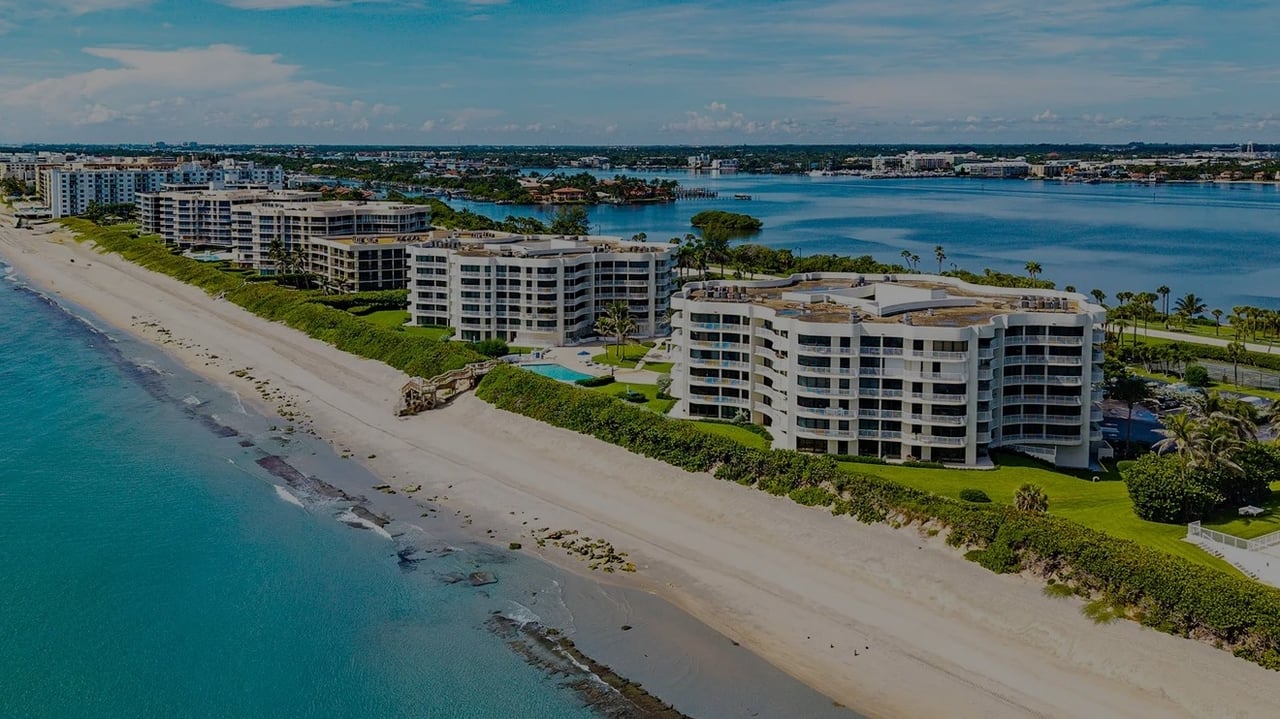
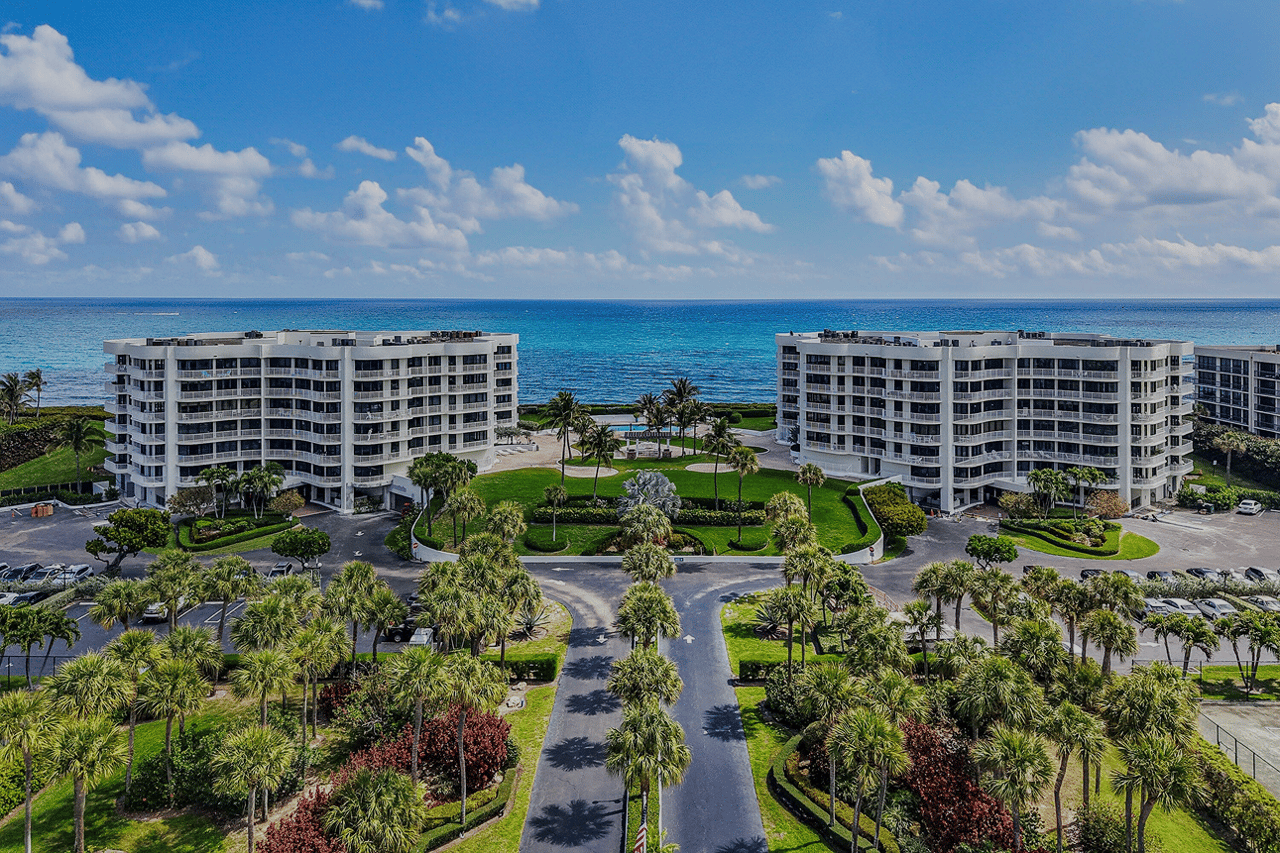
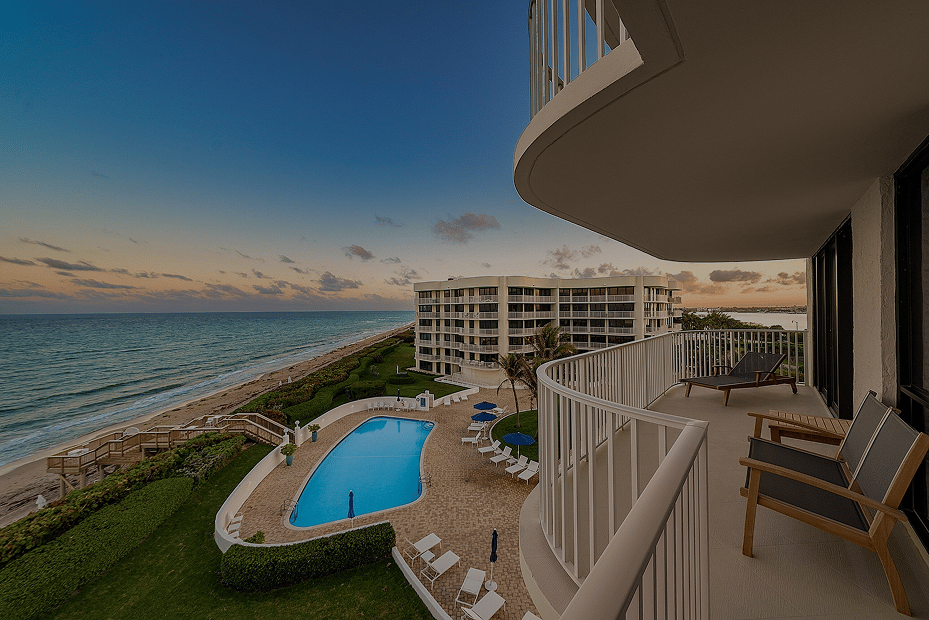
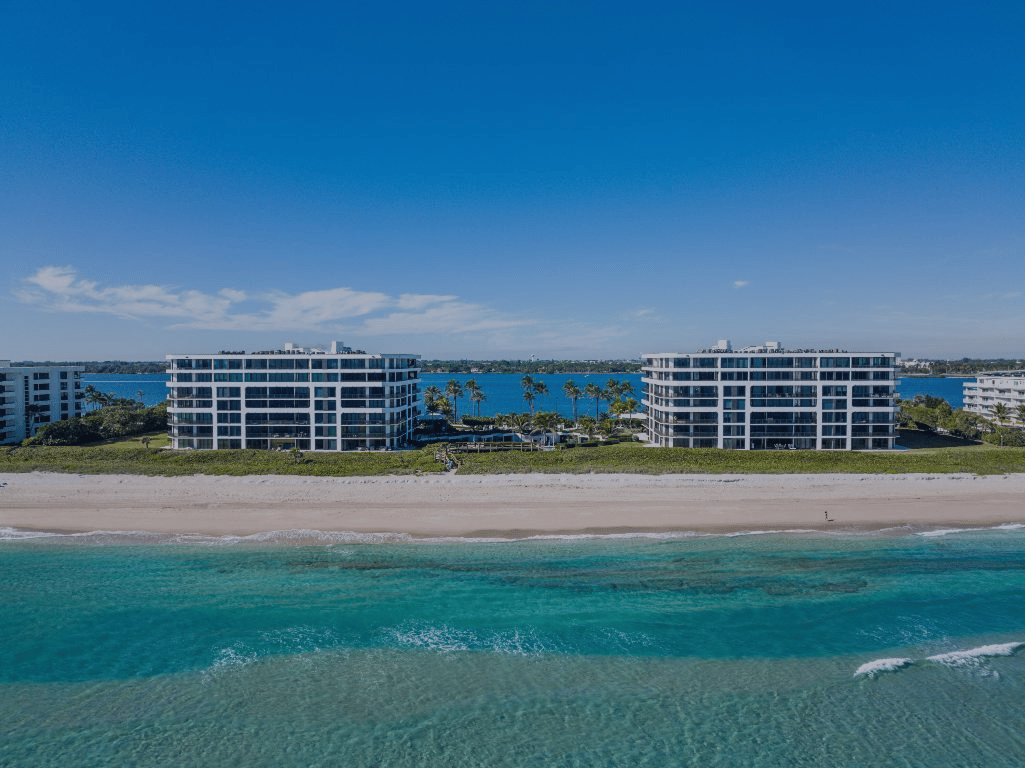
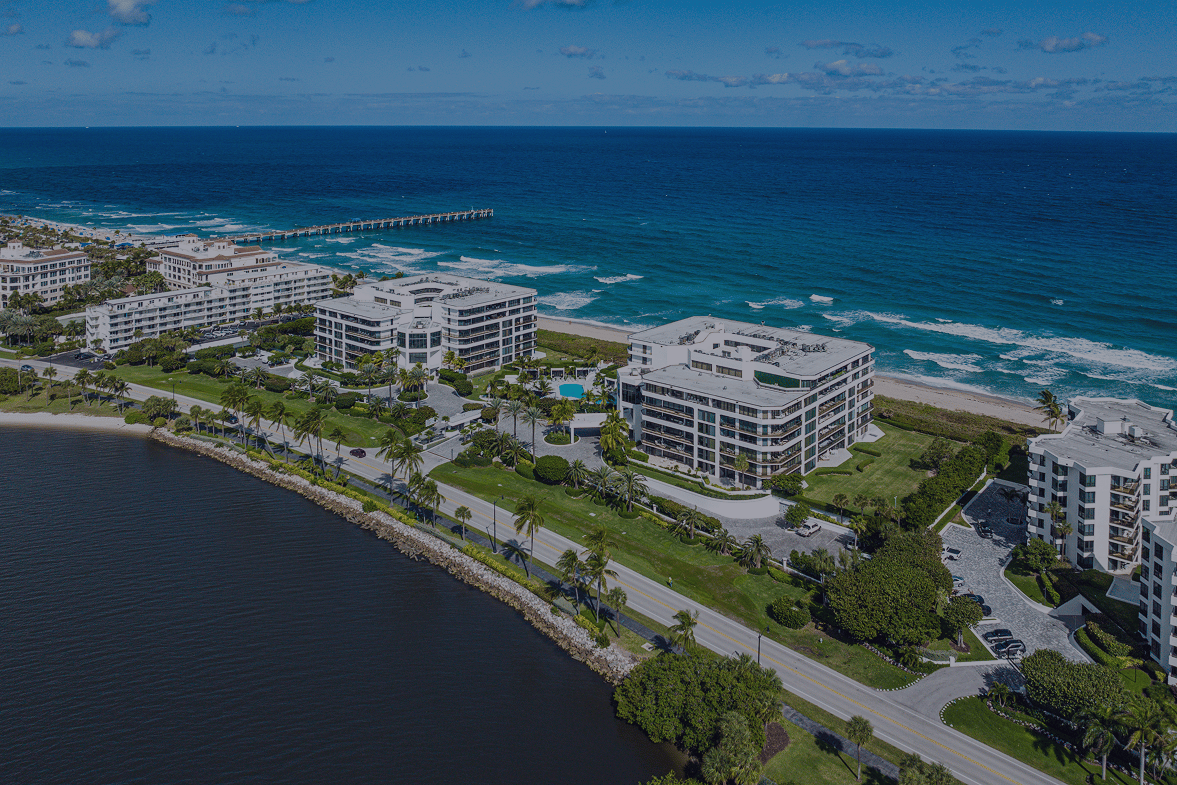
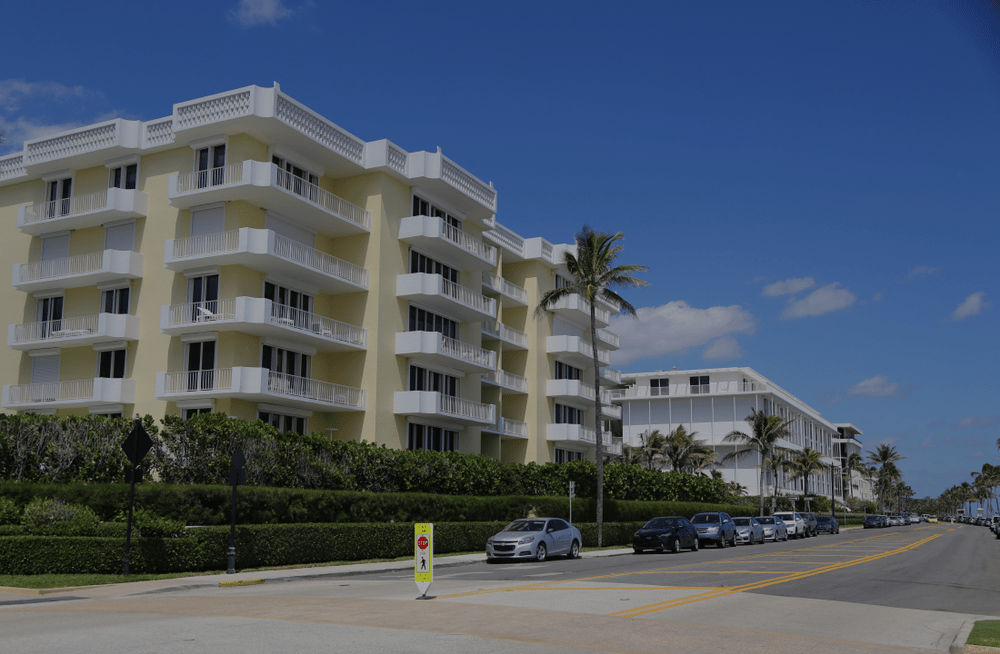
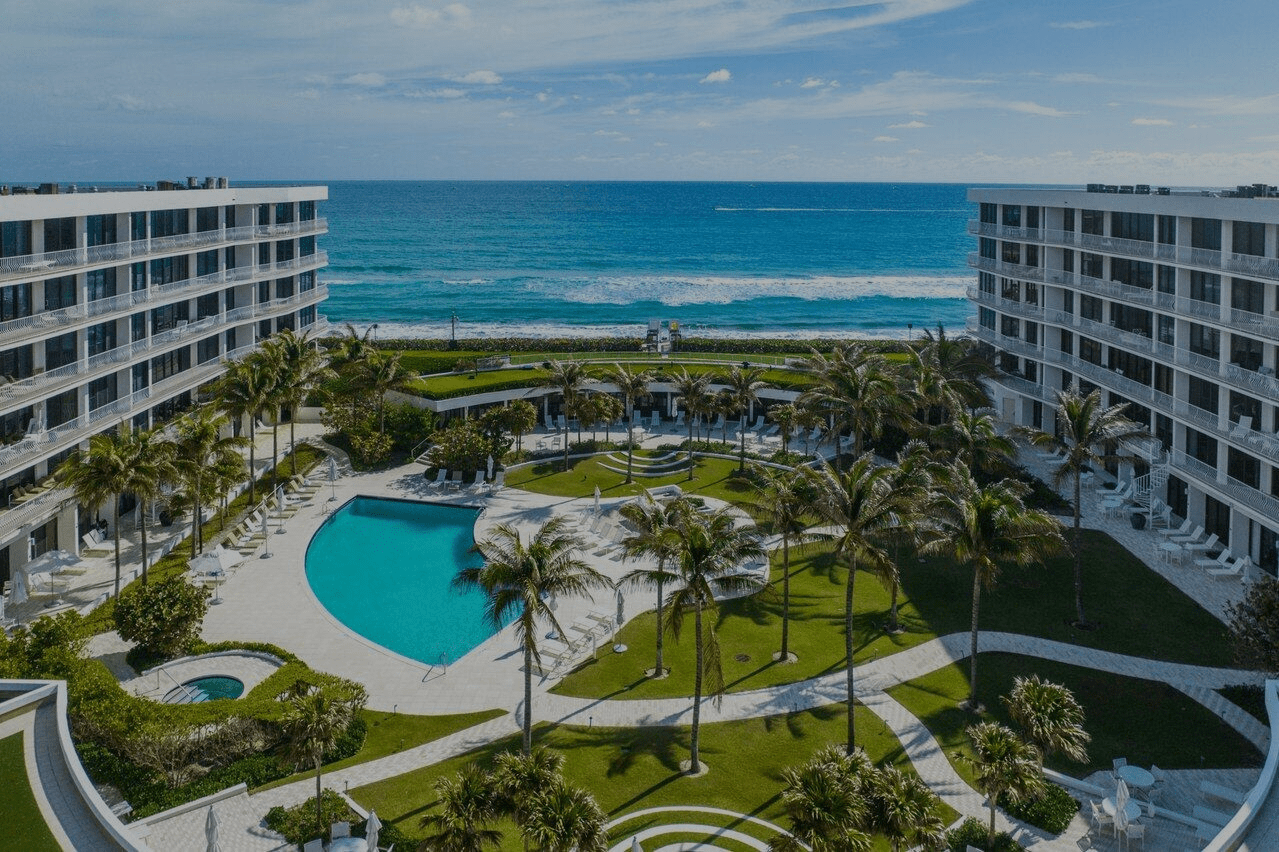
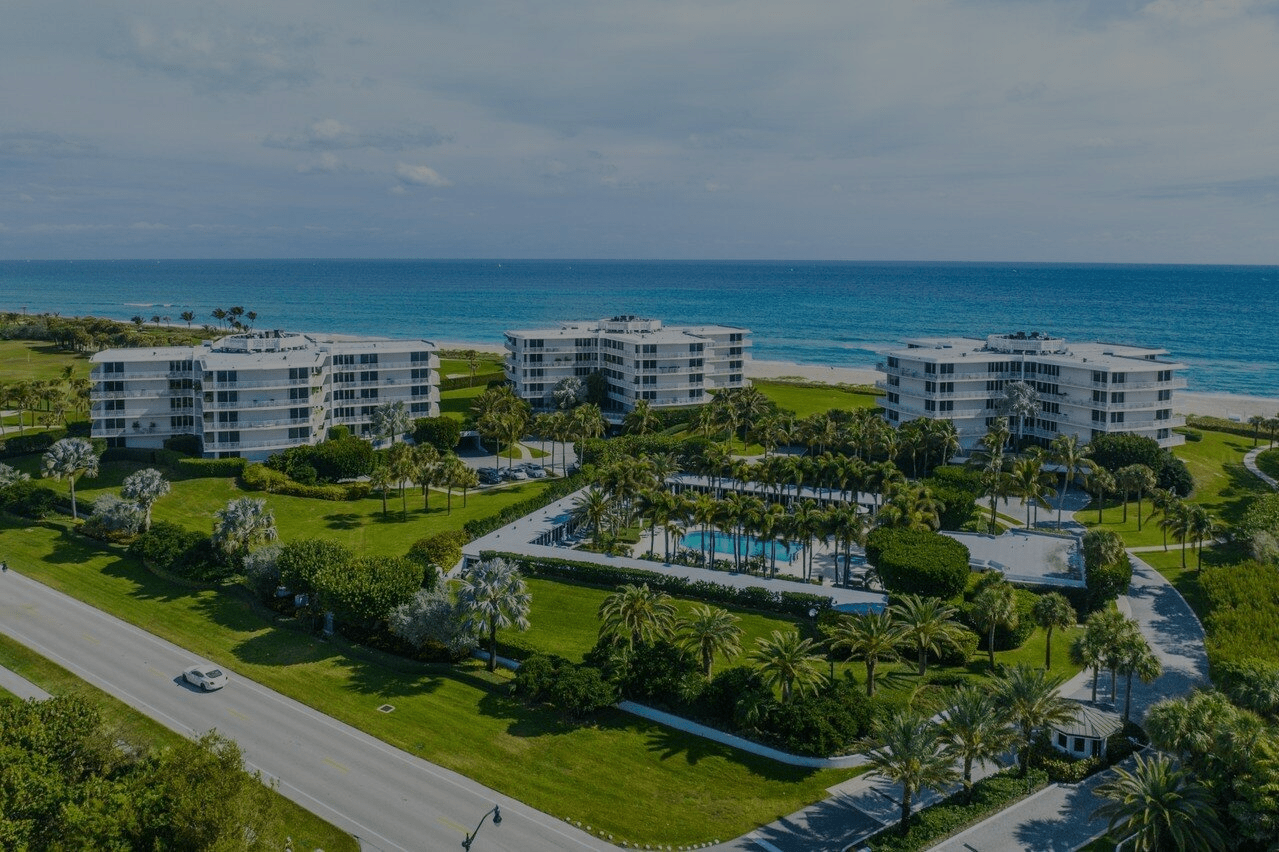
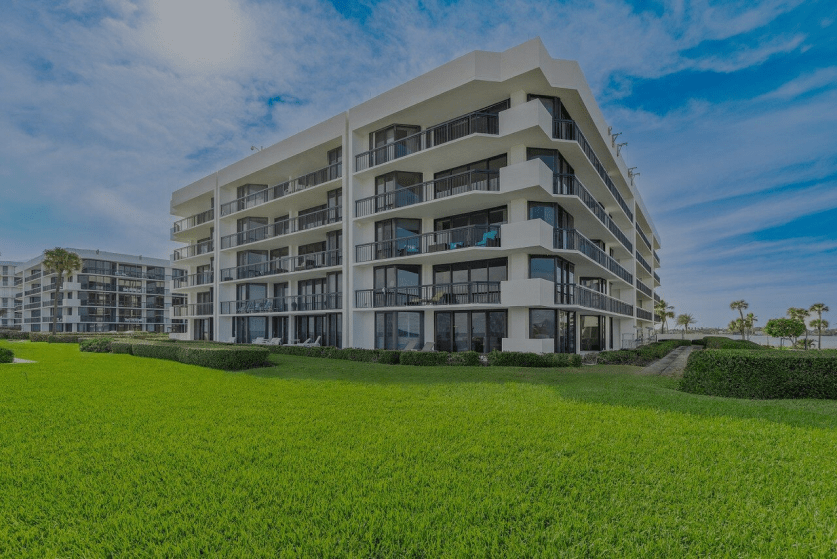
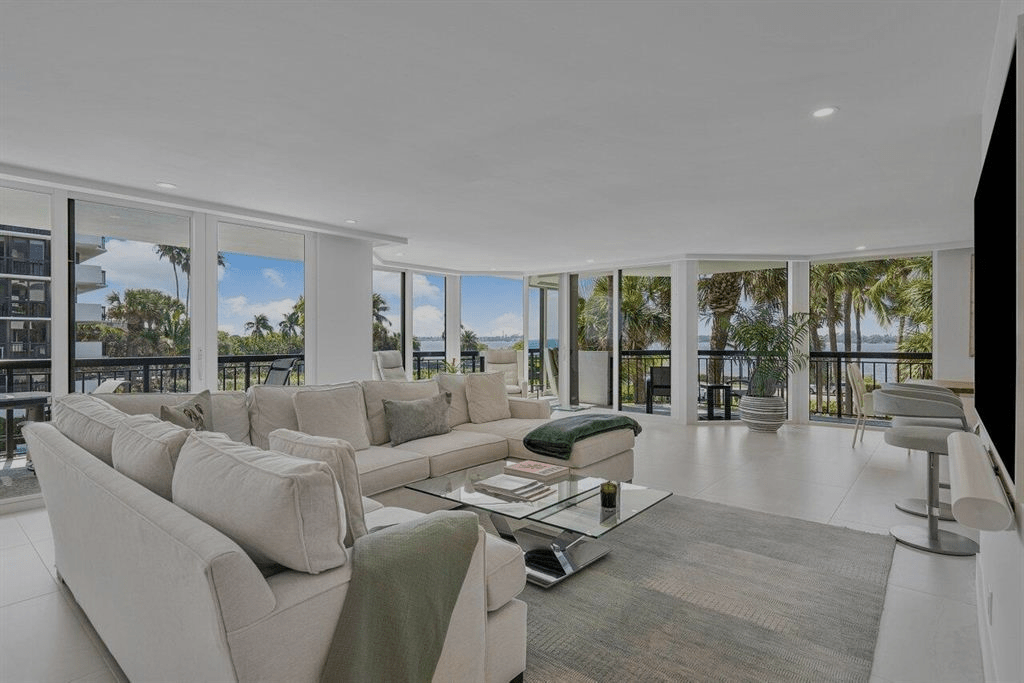
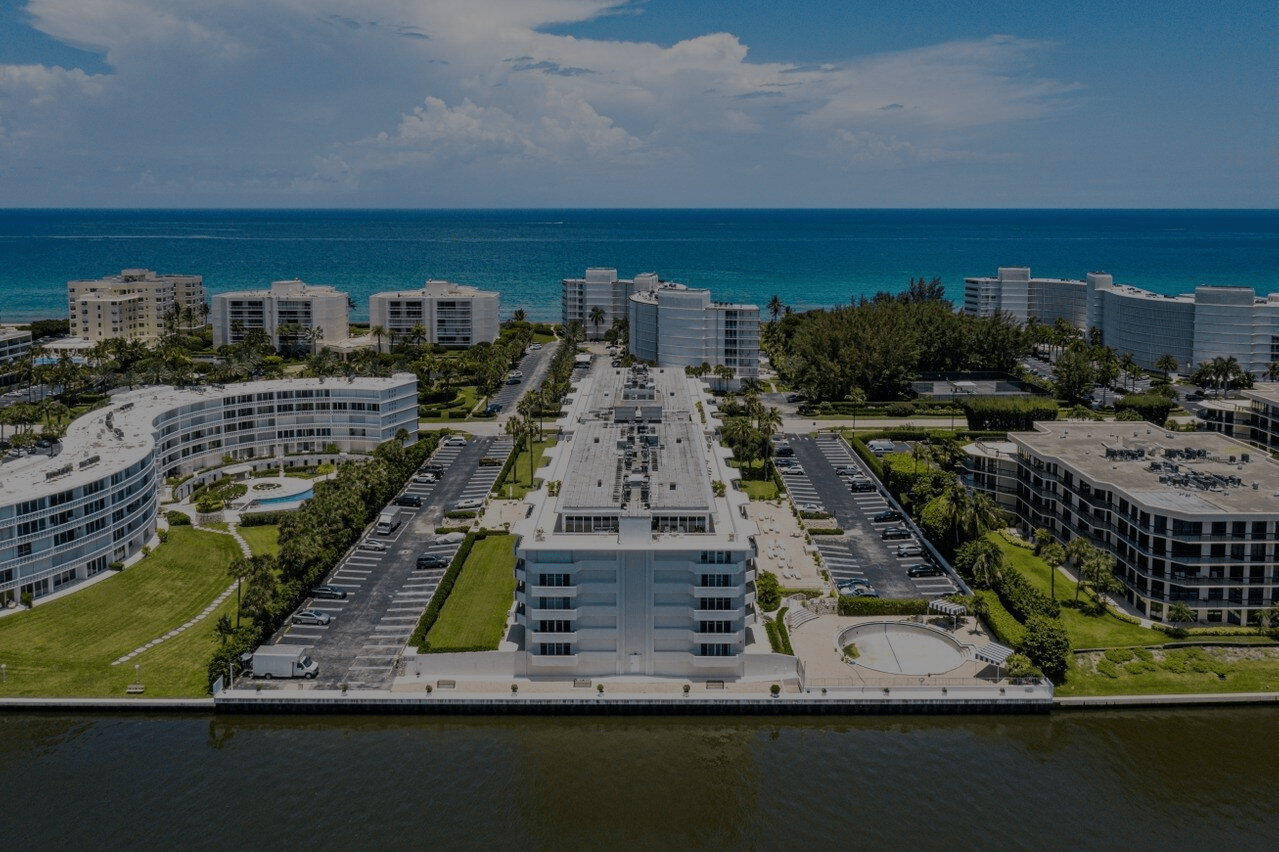
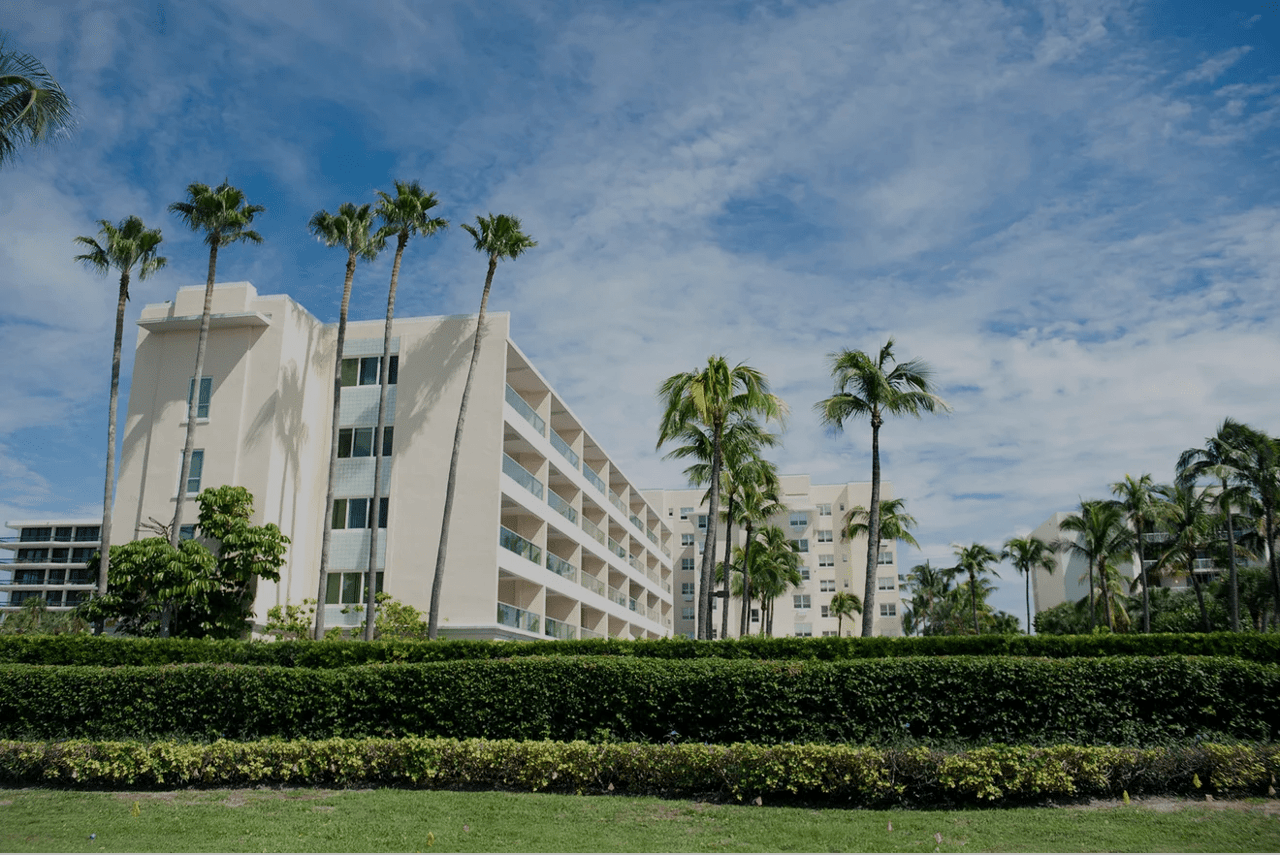
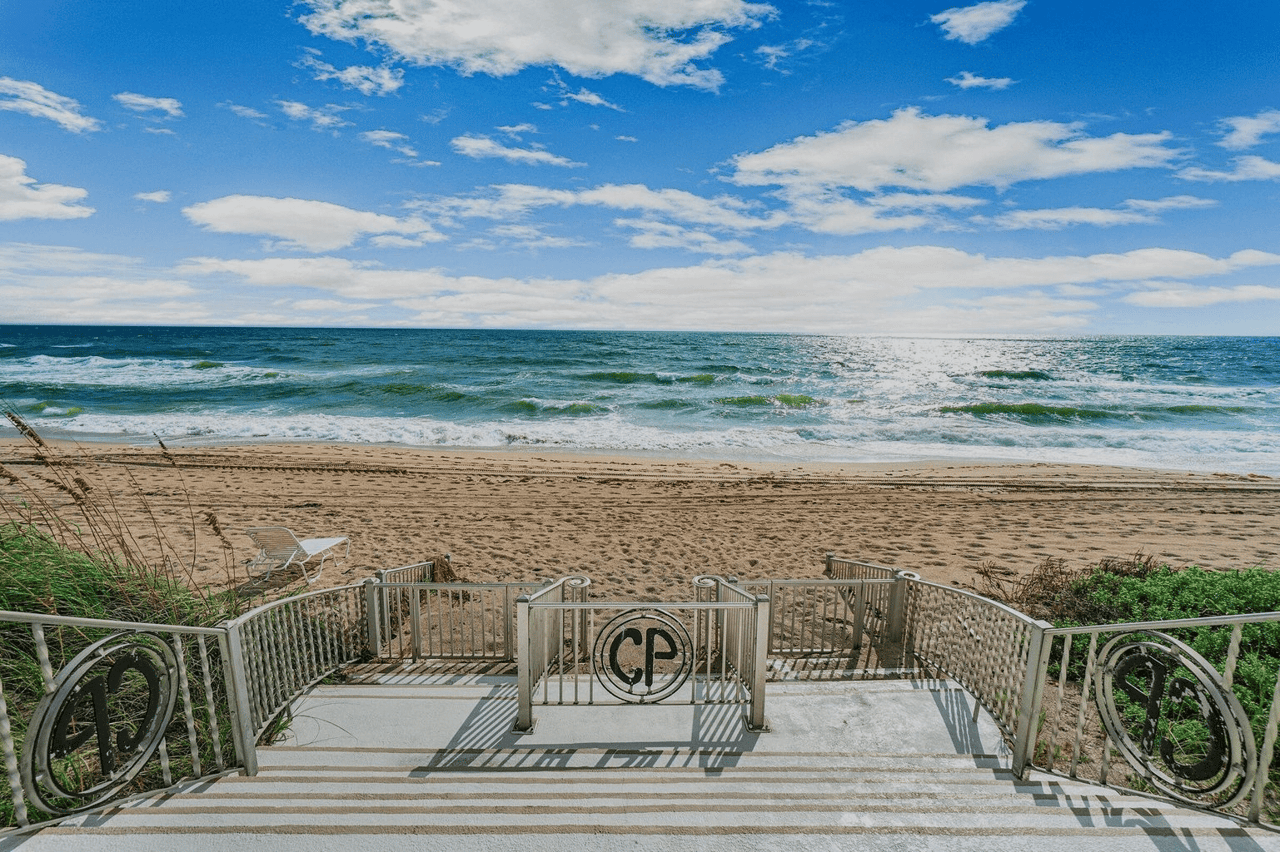
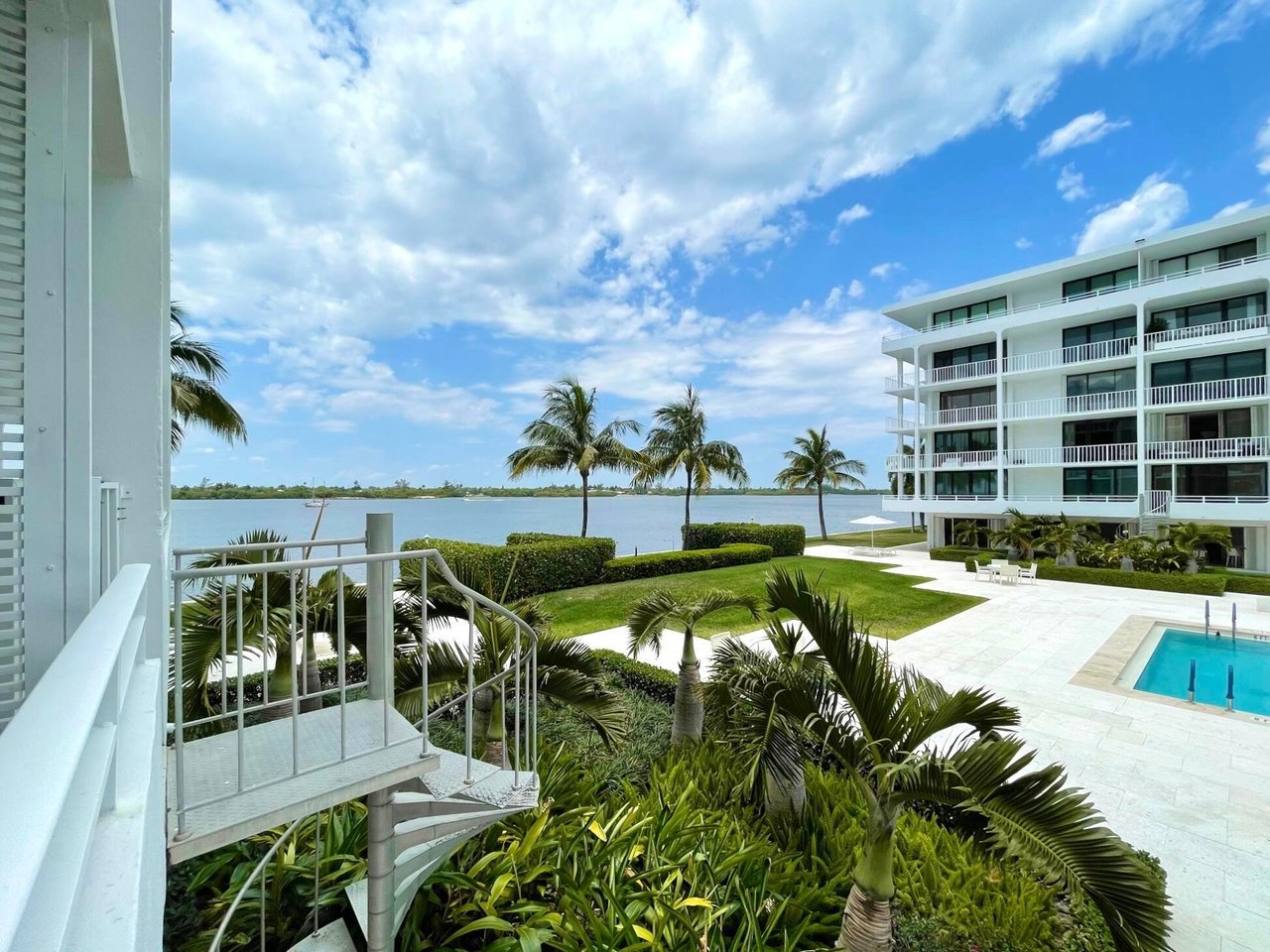
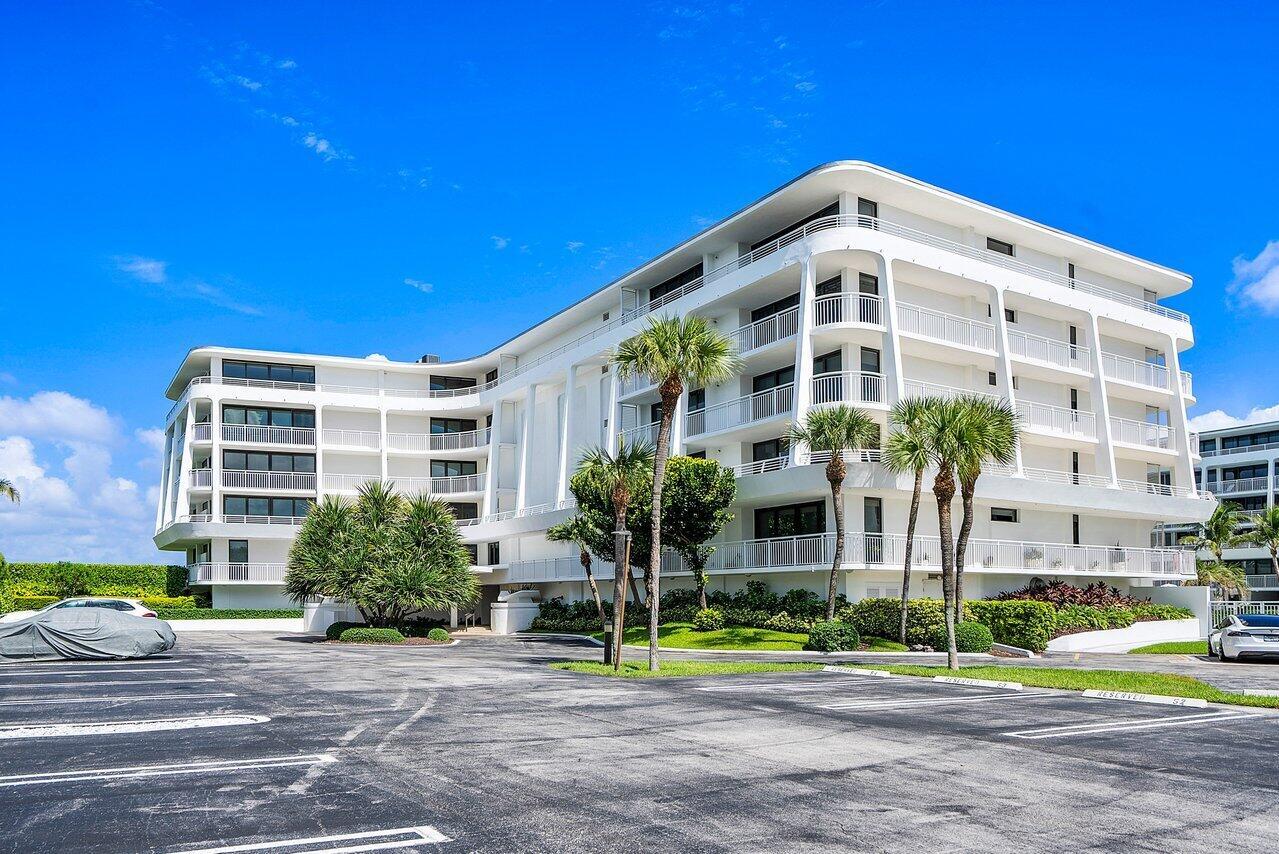
That is worth weighing whether you are considering an oceanfront condominium in SOSA or a residence among the area's new developments.
Several implementation details are still open. The amendment directs the Legislature to set uniform procedures for the new-resident rule, and the Property Appraiser notes that implementing laws may address eligibility and administration. The Department of Revenue says it is monitoring implementation and will share information on rulemaking and updated forms as it becomes available.
We first wrote about this proposal before the vote. Now that it has passed, we will keep following the details as the state and the county release them.
Planning a Move to Palm Beach Before Year-End
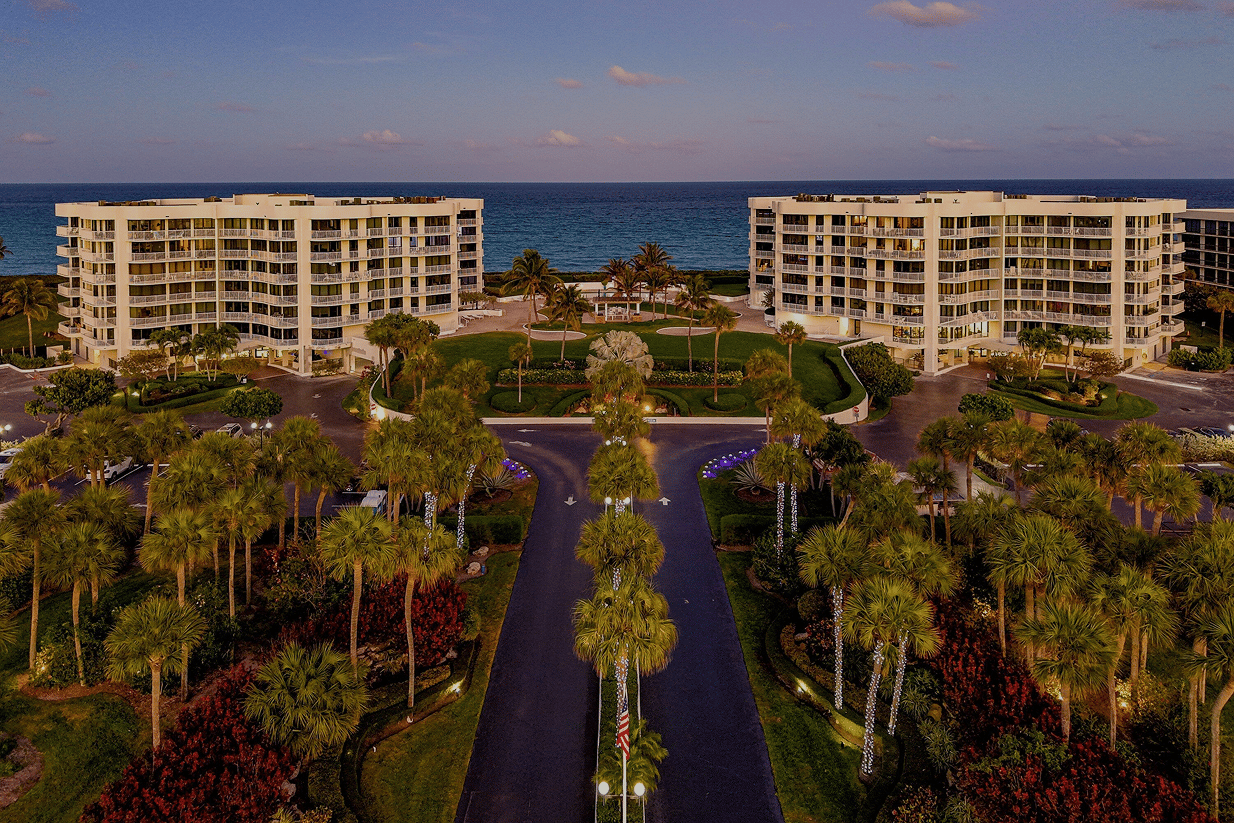
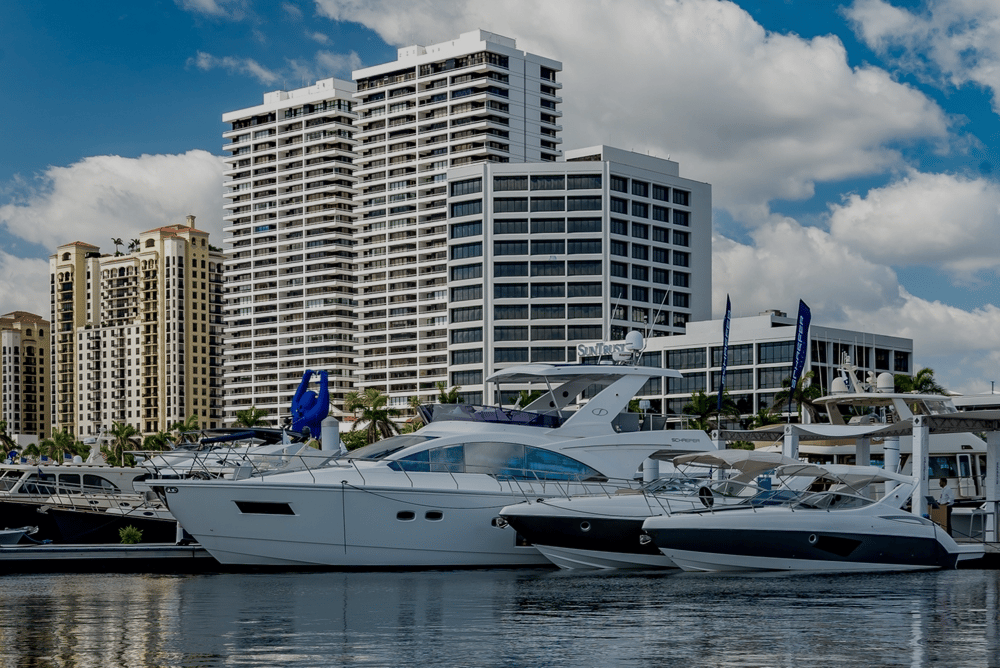
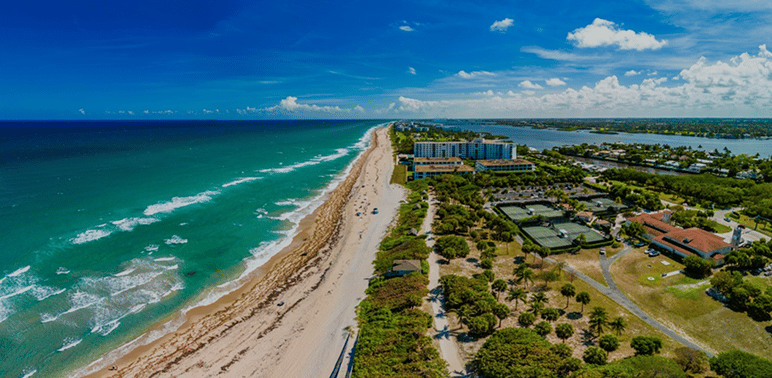
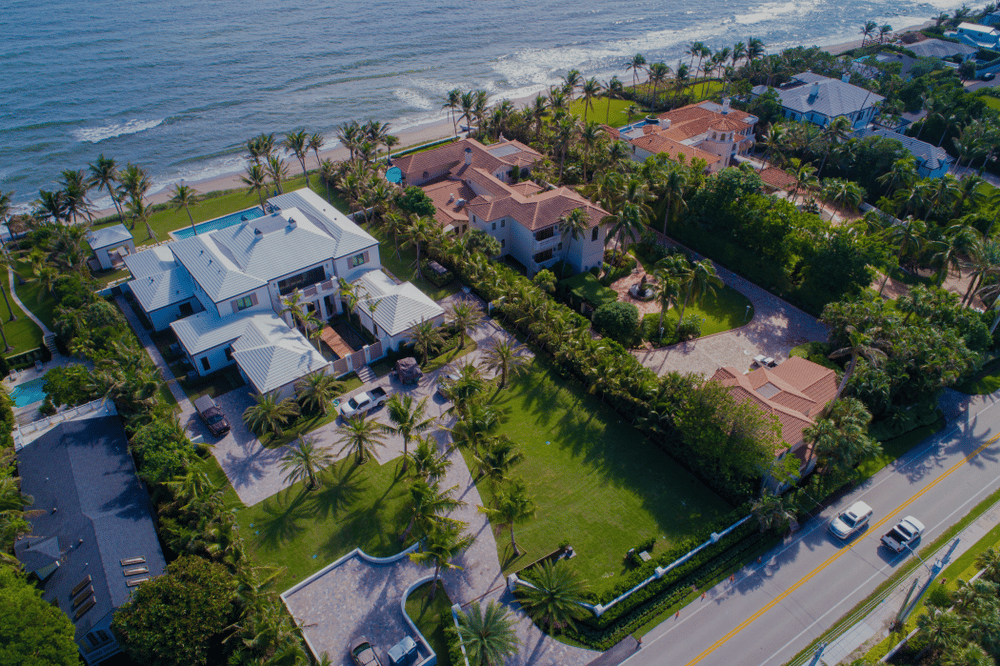
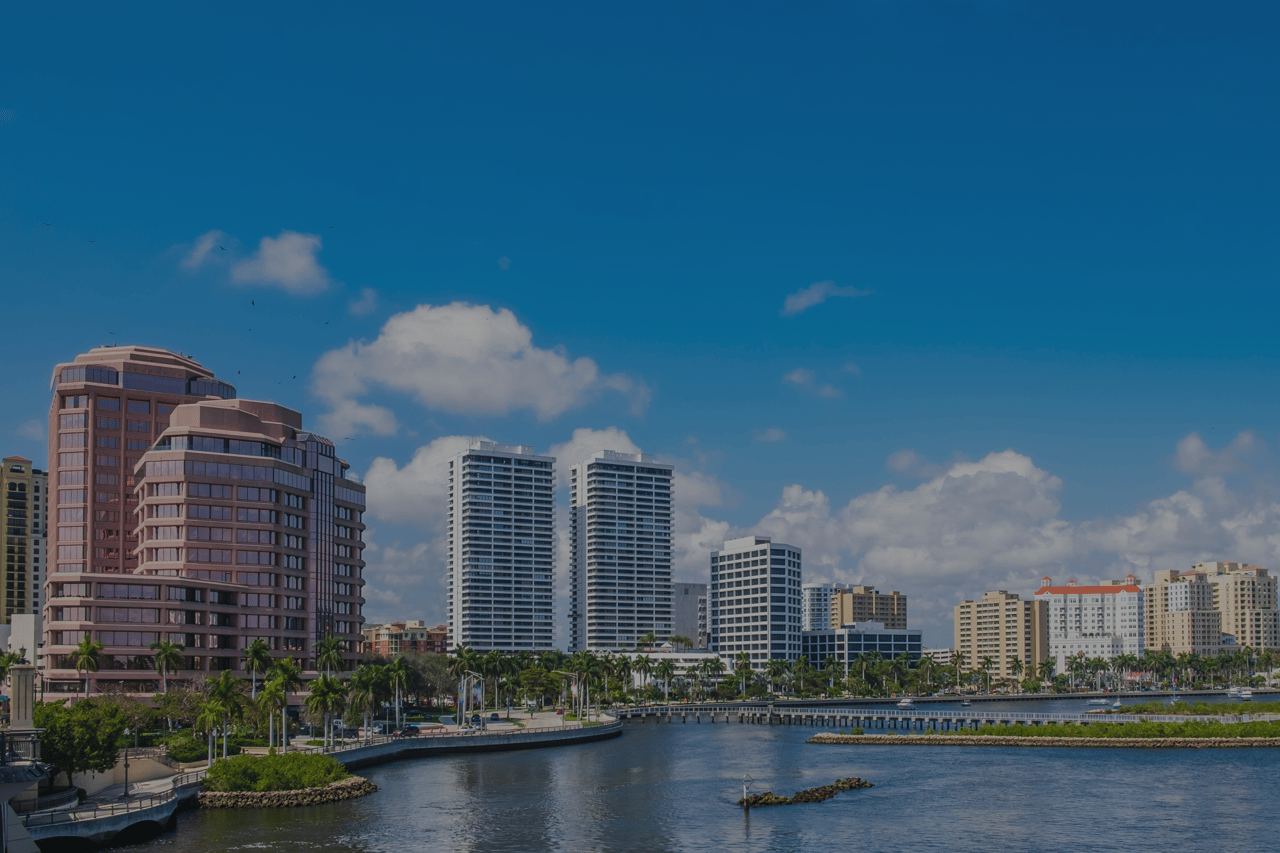
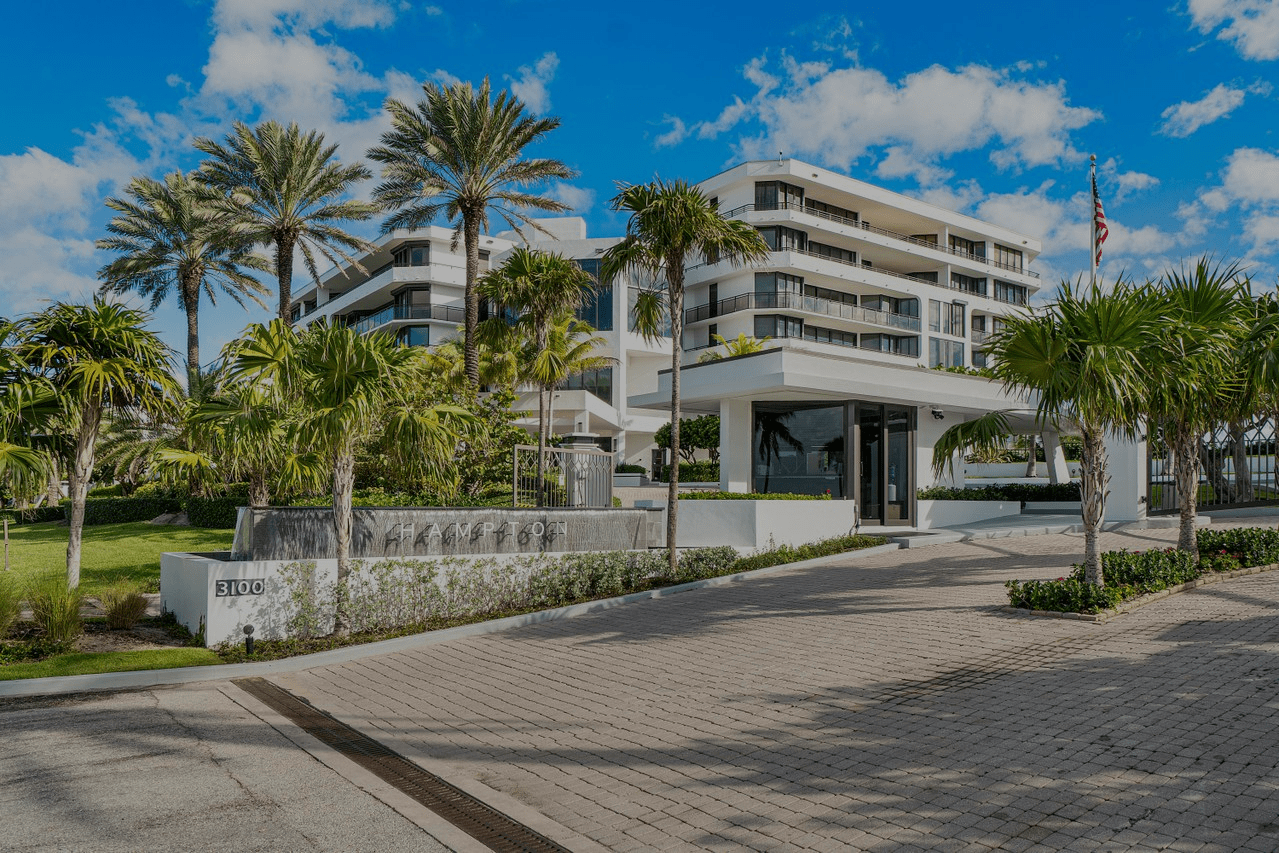
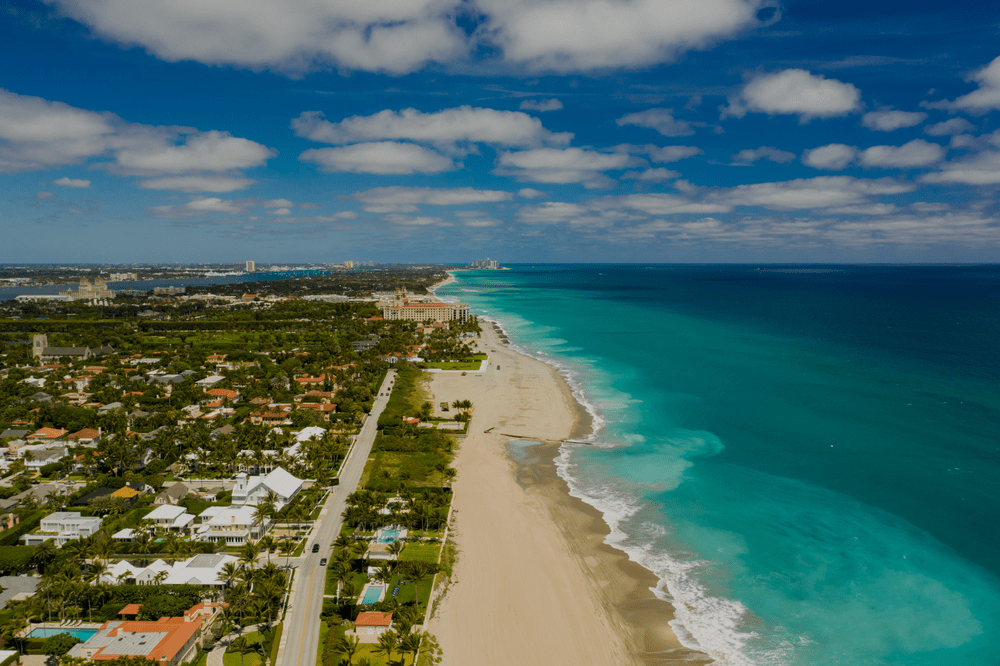
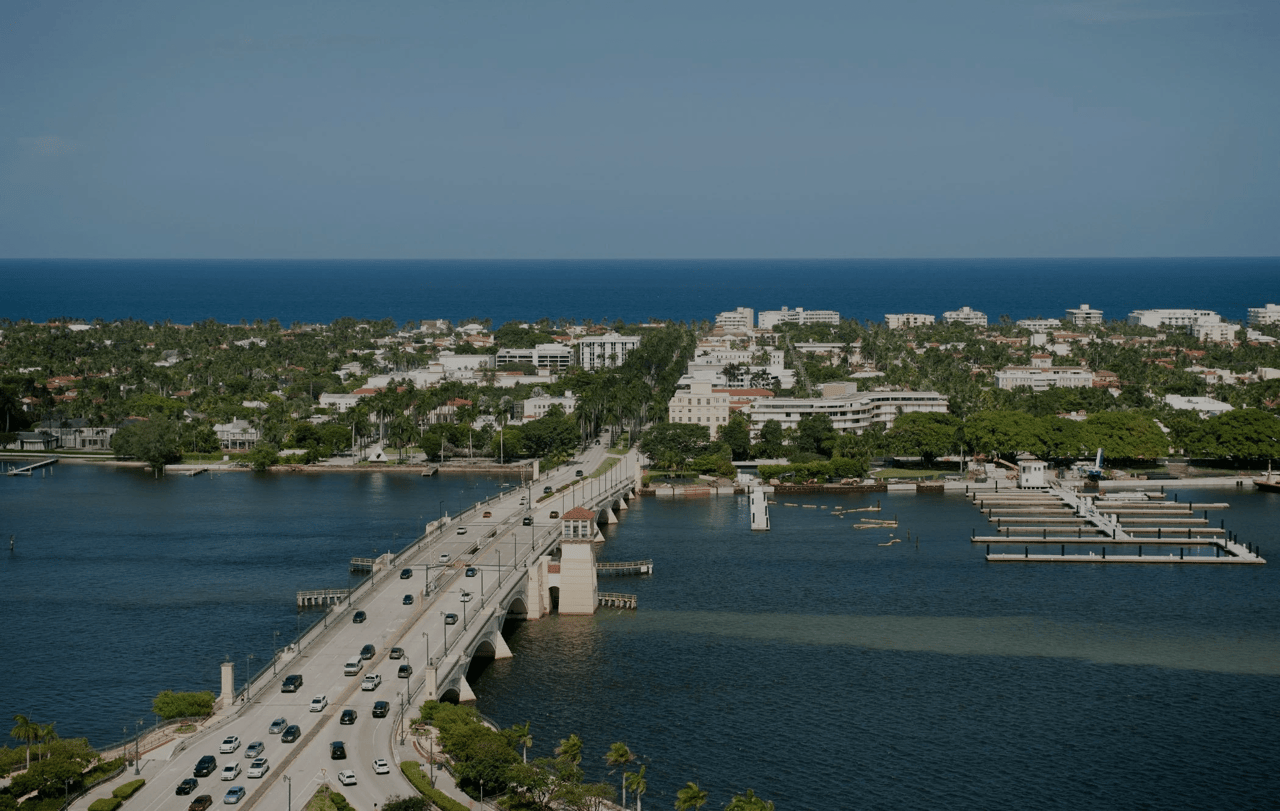
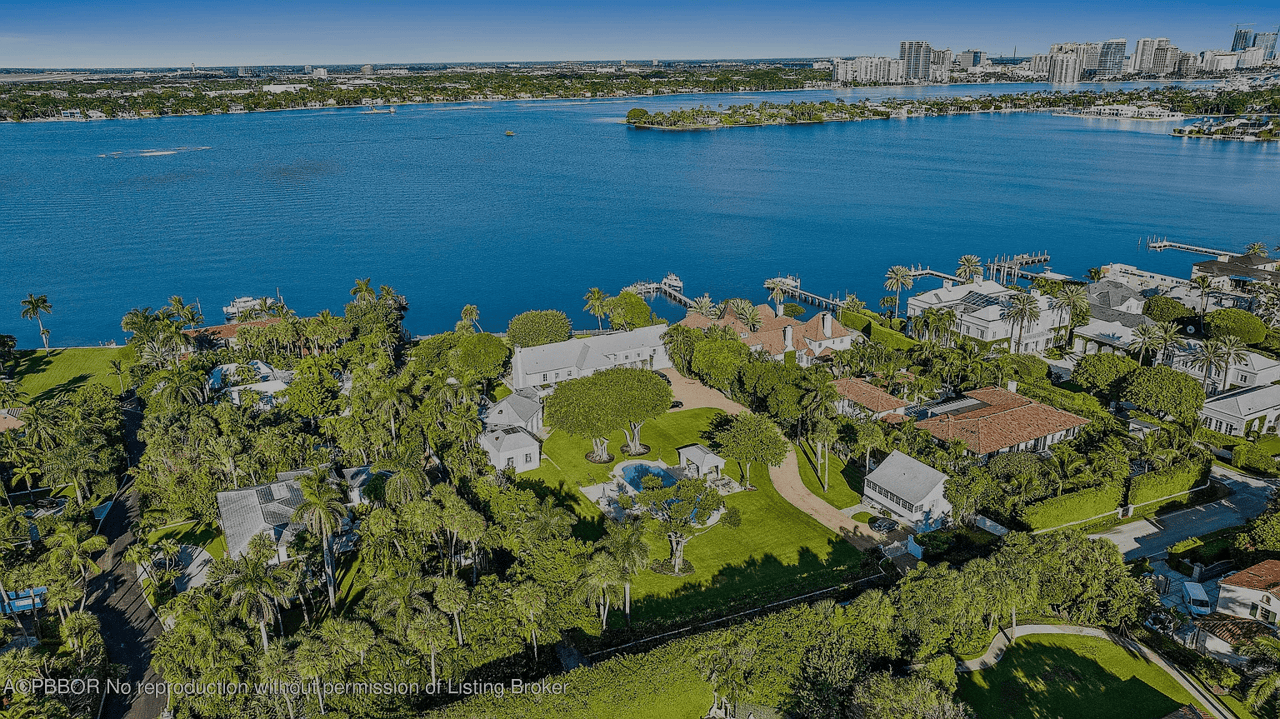
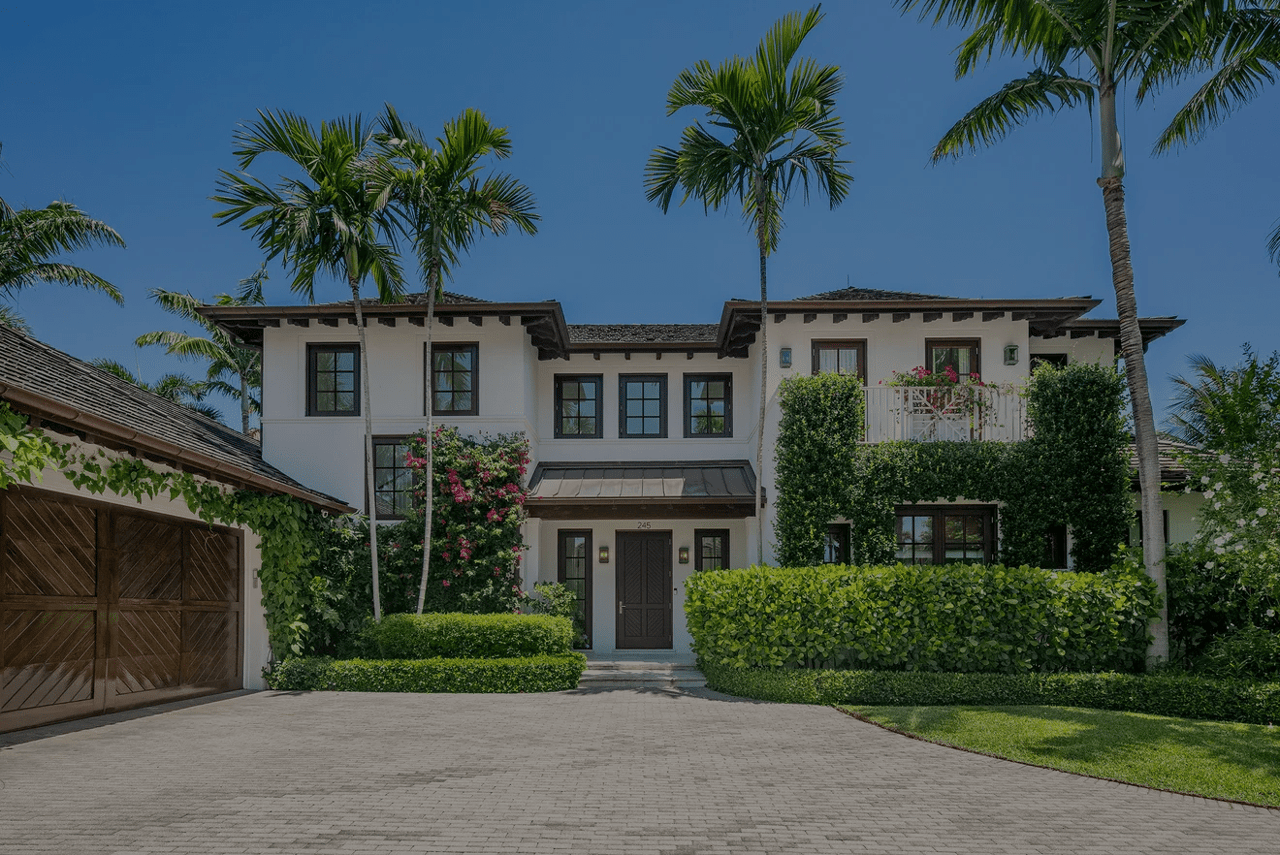
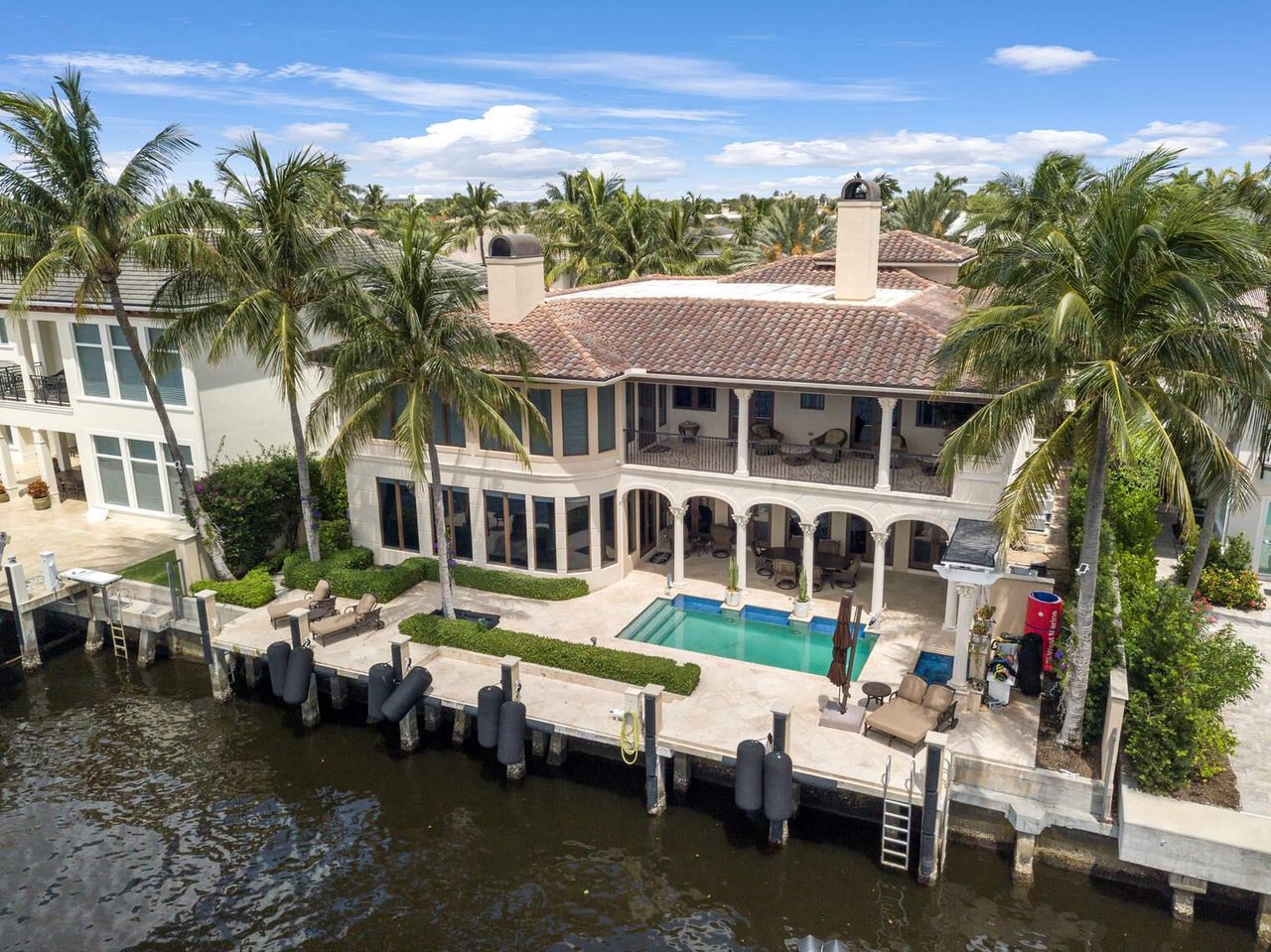
If Palm Beach County is where you intend to live, the weeks before December 31 deserve careful planning. You might be drawn to a residence in SOSA, a waterfront home in Manalapan, or a new-construction condominium in West Palm Beach. Whatever you choose, we can help you find the right home and coordinate the timing with your tax and legal advisors.
A buyer under contract on a pre-construction residence that closes later can still establish Florida residency now, for example in a rental. Browse our current properties for sale. If you already own here, you can find out what your home is worth.
The Next Move Is Yours
Whether you are relocating before December 31, buying a second home, or reviewing what Amendment 3 means for a property you already own, we are here to help you take the next step.
Scott Gordon
[email protected]
561.346.4141
Mindy Gordon
[email protected]
561.302.3133
Sources
- Florida Division of Elections: 2026 general election results
- Florida Department of Revenue: Property Tax Oversight Bulletin PTO 26-21, November 5, 2026
- Palm Beach County Property Appraiser: Amendment 3 calculator and FAQ and Homestead Exemption